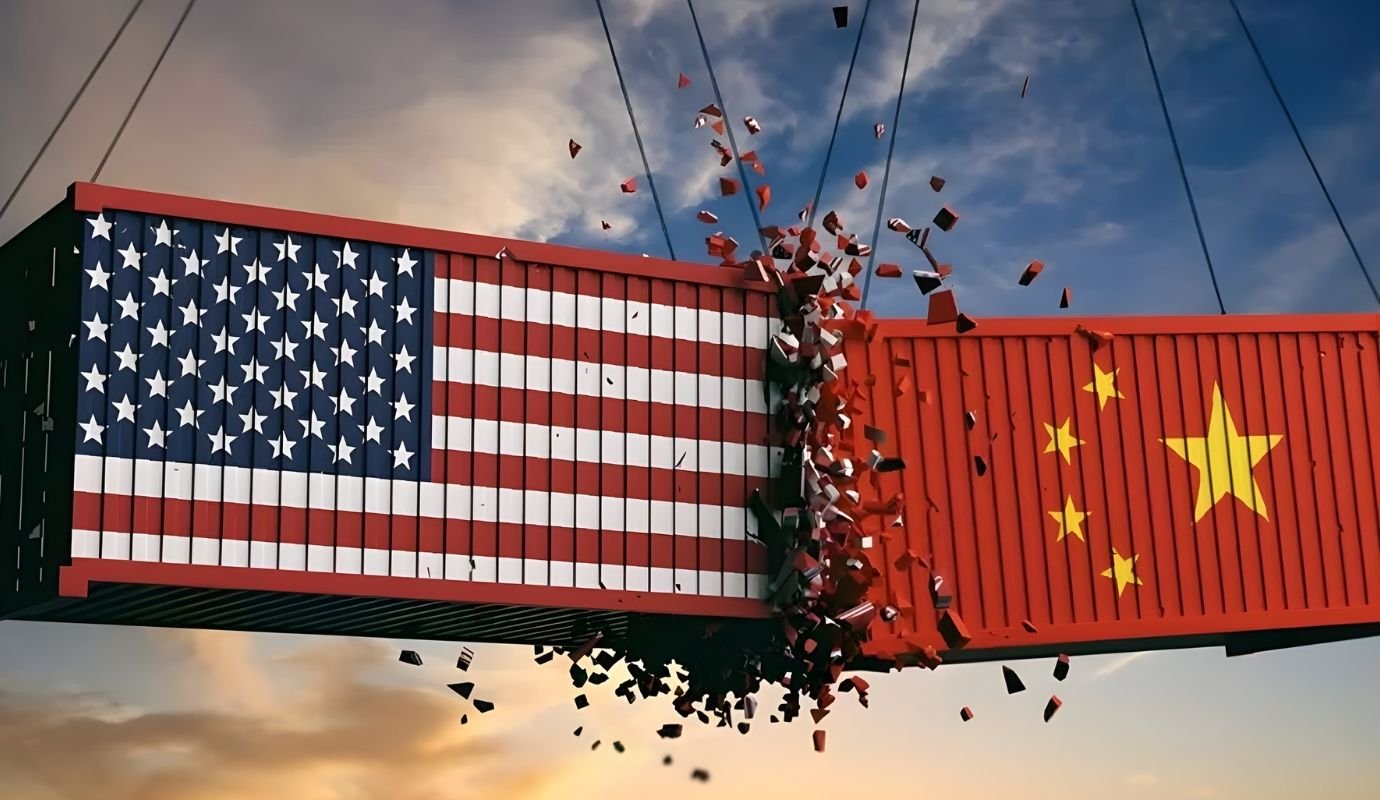
In the first eight months of this year, China has surpassed the United States to become Germany’s largest trading partner. According to preliminary data from the German statistics office, German exports have been affected due to high tariffs imposed by the United States.
Reuters reported that from January to August, the total trade volume between China and Germany amounted to 163.4 billion euros (approximately 190.7 billion dollars), whereas the total trade volume between the United States and Germany was 162.8 billion euros during the same period.
Last year, in 2024, the United States had become Germany’s top trading partner, ending China’s eight-year dominance. At that time, Berlin sought to reduce its reliance on Beijing following several accusations against China. However, this year, due to tariffs imposed during Trump’s second term, trade momentum with the United States slowed down.
Experts say that because of Trump’s tariffs, German exports to the United States fell by 7.4 percent to 99.6 billion euros. In August alone, German exports to the U.S. dropped by 23.5 percent, accelerating the decline.
Dirk Zandura, President of the BGA Foreign Trade Association, said that the tariffs and new trade policies in the United States are the main reasons for the decline in exports. He noted that this has led to decreased demand for popular German products such as automobiles, machinery, and chemicals.
Karsten Brezski, Global Head of Macro at ING, stated that due to the ongoing tariff threats from Trump and the strong euro, there is little likelihood that German exports to the United States will increase in the near future.
Meanwhile, German exports to China have also decreased. In the first eight months of 2025, exports to China fell by 13.5 percent to 54.7 billion euros. Conversely, imports from China to Germany increased by 8.3 percent, reaching 108.8 billion euros.
Brezski warned that this rise in imports from China is concerning because most of these goods are arriving at dumping prices. He added that this not only increases Germany’s dependence on China but also puts pressure on Germany’s core industries. In fact, China is becoming a strong competitor to German industrial companies.
Salomon Fiedler, an economist at the European private bank Berenberg, said that due to internal economic challenges, any changes in the global market have become a cause for concern for many in Germany.