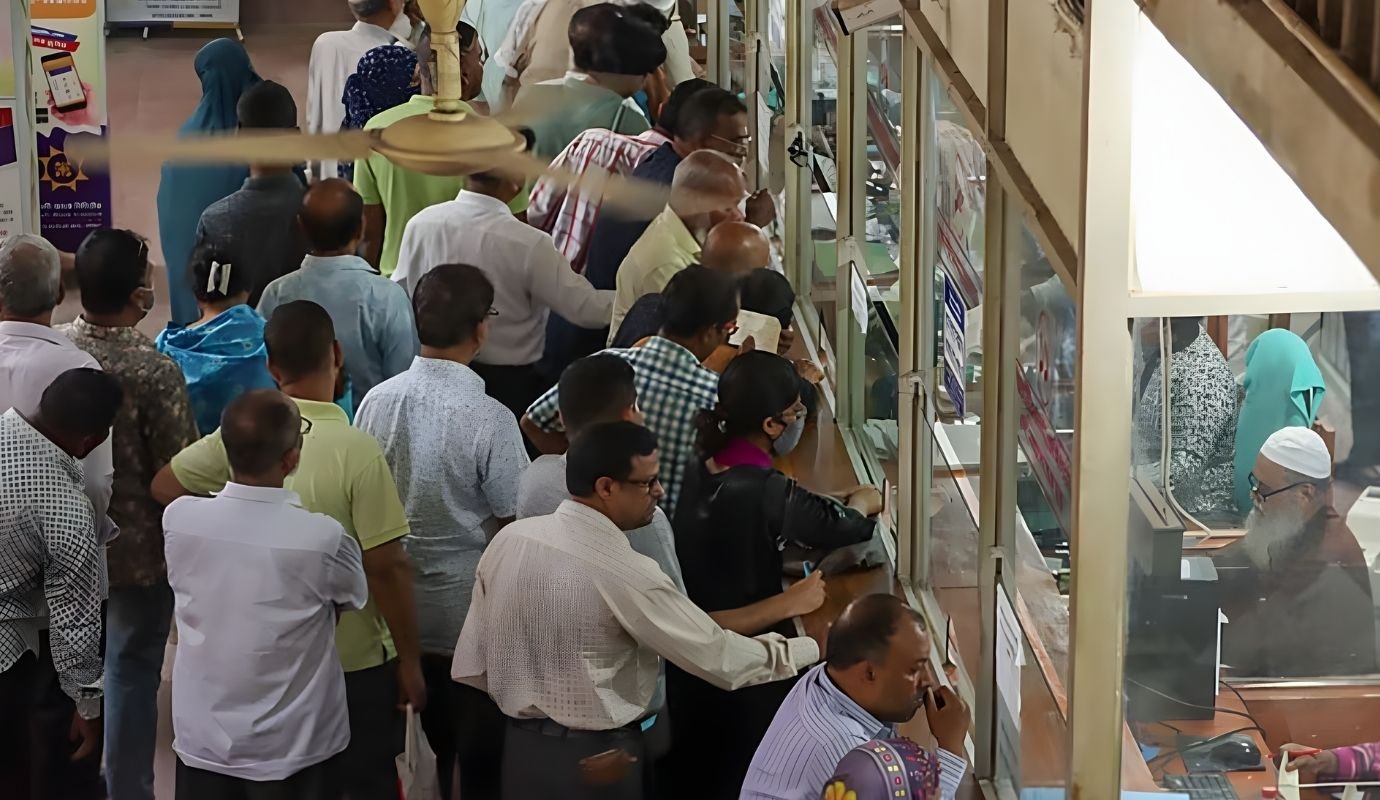
If you have a large amount of money in your bank account, excise duty will be deducted from you. Previously, excise duty was deducted if the bank balance exceeded 100,000 taka. Now, excise duty will be deducted only if the balance exceeds 300,000 taka. This change was introduced during the current fiscal year’s budget announcement in June. This will bring some relief to customers.
Towards the last week of December, many bank customers receive SMS notifications about money being deducted from their accounts. Many find it difficult to understand the reason behind such deductions. Banks deduct excise duty at that time.
What is Excise Duty?
Excise duty is a type of indirect tax imposed by the government on certain goods, services, or financial activities. Examples include keeping money in a bank, making phone calls, buying cigarettes, etc. This tax is not levied on the income or profit of any individual or institution but is applied based on certain activities or usage of services.
If a customer’s bank account balance reaches 300,000 taka at least once in a year, excise duty must be paid. It is important to remember that this excise duty is imposed based on the balance in the account.
How Much Excise Duty is Charged Based on the Balance?
If your balance is up to 300,000 taka at any time during the year, no excise duty will be deducted.
From 300,001 to 500,000 taka: 150 taka excise duty.
From 500,001 to 1,000,000 taka: 500 taka excise duty.
From 1,000,001 to 5,000,000 taka: 3,000 taka excise duty.
From 5,000,001 to 10,000,000 taka: 5,000 taka excise duty.
From 10,000,001 to 20,000,000 taka: 10,000 taka excise duty.
From 20,000,001 to 50,000,000 taka: 20,000 taka excise duty.
Above 50,000,000 taka: 50,000 taka excise duty.
How is it Deducted?
If at any time between January and December the balance or deposit in a bank account reaches or exceeds any of the above limits even once, excise duty must be paid at the specified rate. Even if it crosses the limit multiple times, the duty is deducted only once.
If a customer has multiple bank accounts each with balances that meet the excise duty criteria, excise duty will be deducted from each account separately. For example, if you have 400,000 taka spread across three bank accounts, 150 taka will be deducted from each, totaling 450 taka. Usually, this money is deducted on the last working day of the last week of December, though in some cases, it may be deducted during the first week of January.
From Which Accounts is Excise Duty Deducted?
Excise duty is deducted from all types of accounts including savings accounts, current accounts, fixed deposits (FDR), deposit pension schemes (DPS), salary accounts, etc.
Why is Excise Duty Imposed?
There are several reasons for imposing excise duty. The National Board of Revenue (NBR) collects this excise duty. Banks automatically deduct the excise duty from accounts and deposit it into the government treasury on behalf of NBR. The key reasons for this excise duty include revenue collection, bringing high-income taxpayers into the tax net, ensuring transparency in bank accounts, maintaining financial discipline, administrative convenience, and taxpayer benefits.